
Reversing entry applies to accrued expenses or revenues, simplifying the process and reducing the risk of mistakes. Examples of automatic reversing journal entries often include accrued salaries or interest adjustments. Similarly, accrued revenues, where income has been earned but cash has not yet been received, are often reversed. An example includes interest reversing entries are optional earned but not yet collected, or services rendered but not yet billed. By reversing the accrued revenue, the eventual cash receipt can be simply credited to the revenue account without distinguishing between the portion earned in the prior period and the new period.
- Mismanagement in this process can lead to double-counting, inaccurate records, or even compliance risks.
- Without reversal entries, the balances in these accounts may not be accurate, which could lead to incorrect financial statements.
- Because the reversing entry cleared the payable, you can now record the existing payment as a normal transaction.
- A closing entry marks the end of an accounting period and is used to transfer the balances in the revenue and expense accounts to the retained earnings account.
- The interest payable account carried a credit balance of $50 over to the new period, and this balance became zero when the October 1 reversing entry was posted.
Manual reversing entries
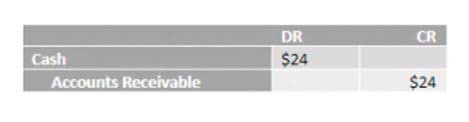
For example, if the utilities for each month are paid at the beginning of the next month, you would have used the utilities as of December 31, but you won’t have to pay for them until the next year. The matching principle states that we should recognize the expenses when they are incurred and match them to the revenues they help generate. In this case, the utilities expense should be recorded in December even if it is not paid until January.
Accounting with the reversing entry:
- Yes, reversing entries can be applied to Accounts Receivable when adjusting for earned revenue not yet invoiced.
- This is an optional step in the accounting cycle and if the bookkeeper wishes can skip it entirely.
- Chartered accountant Michael Brown is the founder and CEO of Double Entry Bookkeeping.
- Reversing entries are journal entries made at the beginning of an accounting period to reverse specific adjusting entries from the previous period.
- By knowing the distinctions between manual and automatic reversing entry methods, businesses can choose the approach that aligns best with their needs.
When reversing entries are not made, the accountant needs to remember last period adjusting entries and account for any expense/revenue previously recognized relating to current period payments or receipts. The purpose of reversing entries is always to simplify the bookkeeping process, for that reason not all adjusting entries should be reversed. For example, it serves no useful purpose to reverse the gym bookkeeping depreciation adjusting entry from the previous period, only to reinstate it at the end of the current period. The adjusting entry in 20X3 to record $2,000 of accrued salaries is the same. However, the first journal entry of 20X4 simply reverses the adjusting entry.
Reversing Entry for Accrued Expense

Leveraging accounting technology https://www.centrosorrisi.it/california-sales-tax-rates-by-city-county-2025/ could significantly reduce these challenges. Lets assume now that the business makes reversing entries at the start of month 2. Learn how to build and maintain strong accounts payable controls to reduce risk, ensure compliance, and improve financial efficiency. Learn how to conduct effective accounts payable audits, prevent errors, and boost compliance with automation and streamlined workflows. Implementing reversing entries effectively requires a clear understanding of best practices.

- Whether a business handles payroll, corrects errors, or adjusts revenue, reversing entry helps streamline processes and avoid complications in subsequent periods.
- Their purpose is to simplify routine cash transactions in the new period, especially for items like salaries, interest, or rent.
- There you have the first two types of adjusting entries that can be reversed.
- They streamline post-audit adjustments and ensure that financial records remain accurate and compliant.
- The key indicator of this problem will be an accrued liability of $20,000 that the accounting staff should locate if it is periodically examining the contents of the company’s liability accounts.
For instance, if an adjusting entry increased an expense or revenue account at year-end, the corresponding reversing entry would decrease that same account. This process ensures that affected temporary accounts begin the new period with a zero balance, simplifying the recording of future cash transactions. This practice is particularly relevant in accrual basis accounting, where transactions are recorded when they occur, regardless of when cash changes hands. Reversing entries are journal entries made at the beginning of an accounting period to reverse specific adjusting entries from the previous period.
 FS-15
FS-15 